
Seed Trays
Fine structure and dependable handling support more even seed starts when moisture is kept steady.
The 50L bag is a practical middle-ground size for regular home gardeners who want enough compost for multiple tasks without opening a very large bag all at once.
It suits people who rotate between seed sowing, potting on, and seasonal container refreshes. You get usable volume for meaningful garden work while still keeping storage and handling straightforward.
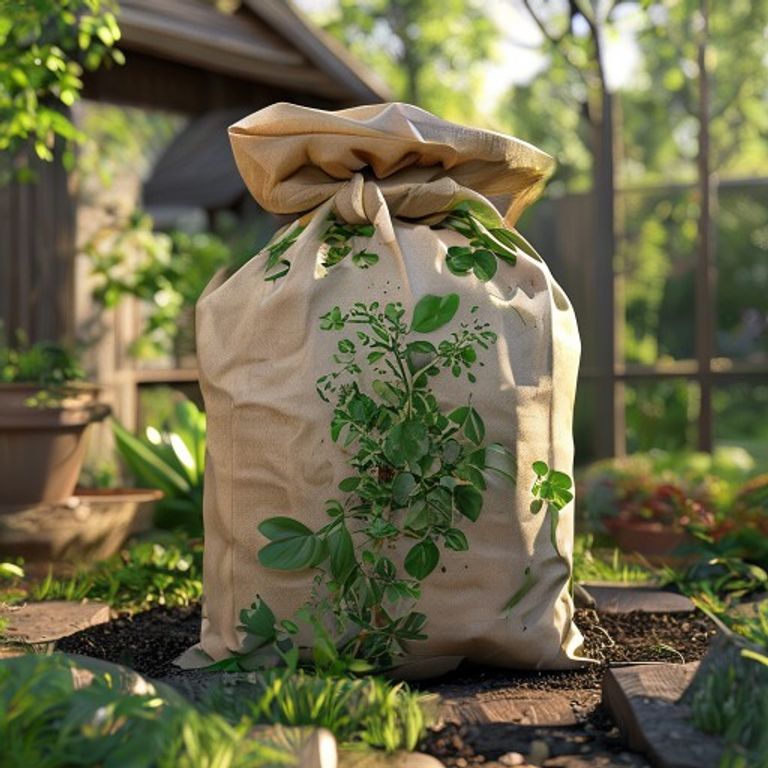
If your gardening routine includes weekend tasks, the 50L format usually lands in the sweet spot. It is large enough to fill multiple medium containers, refresh tray modules, or pot up a batch of plants, yet compact enough to move around the garden without becoming a two-person job.
For balcony and patio gardeners, this bag size is often ideal. You can complete a full tidy-up of mixed pots and still hold some compost back for follow-up planting. For greenhouse users, it provides enough volume to run seed and potting workflows without committing to larger storage needs.
In short: the 50L bag works well when your garden activity is steady but not heavy-duty commercial scale.
Exact coverage always depends on pot size and fill depth, but gardeners often use a 50L bag for combinations like this: several medium patio pots, one hanging basket group plus a tray of seedlings, or one broad weekend potting session with top-ups left for later in the month.
Coverage planning is easier when you pre-position containers and estimate volume before opening. This avoids partial fills and inconsistent compaction between pots. Keep texture even, avoid over-firming, and water in thoroughly after planting so roots settle through the compost profile.
For best consistency, rework compost in small sections as you go. This keeps the blend open and easier to distribute around root balls. It also reduces dry pockets that can appear when compost is tipped straight from a compressed bag.
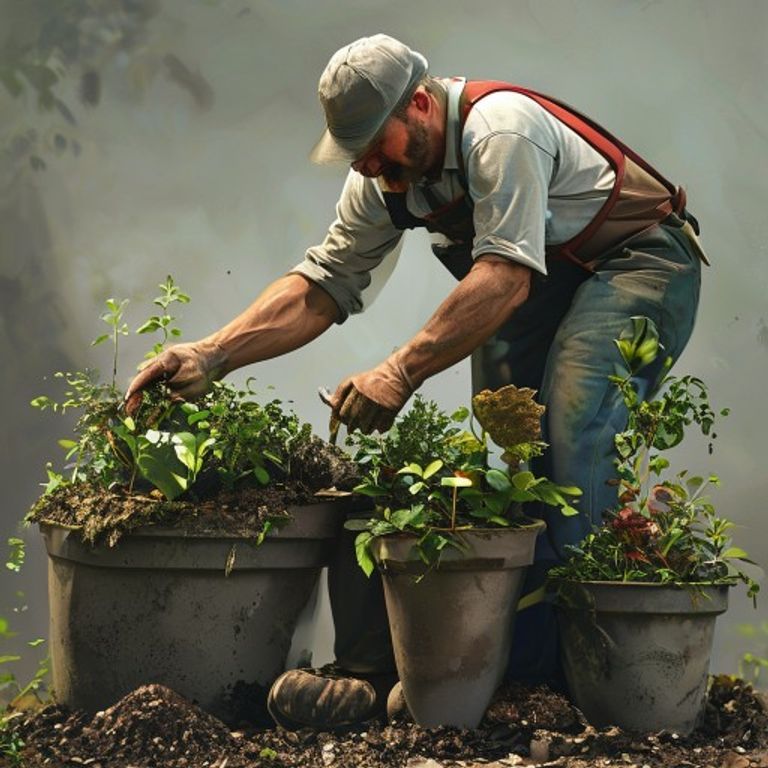
Fine structure and dependable handling support more even seed starts when moisture is kept steady.
Useful for light rooting mixes where gentle texture and repeatable watering response matter.
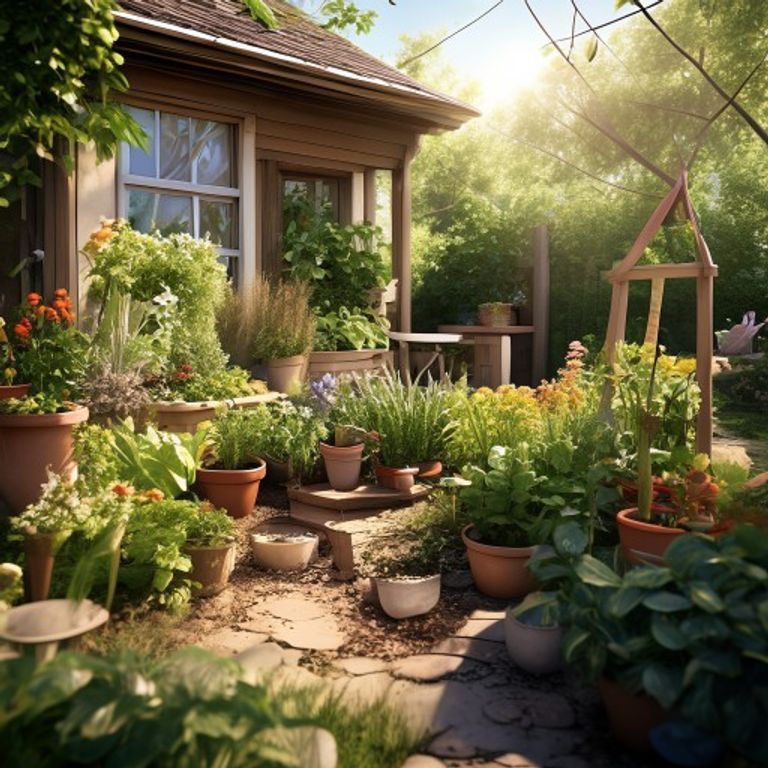
A single 50L bag can handle varied pot sizes during one organised planting session.
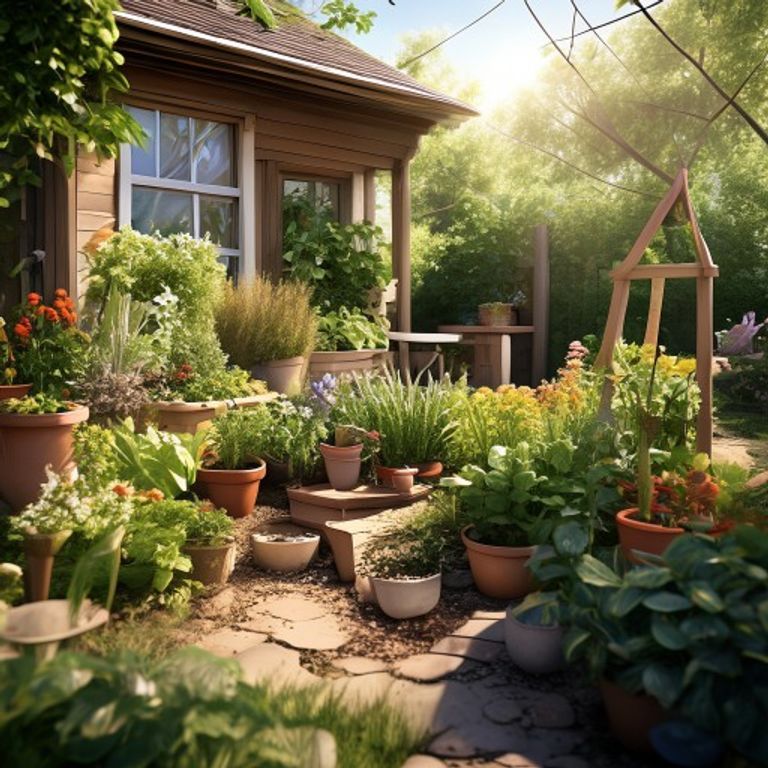
Moisture support can help reduce stress between watering cycles in warm weather.
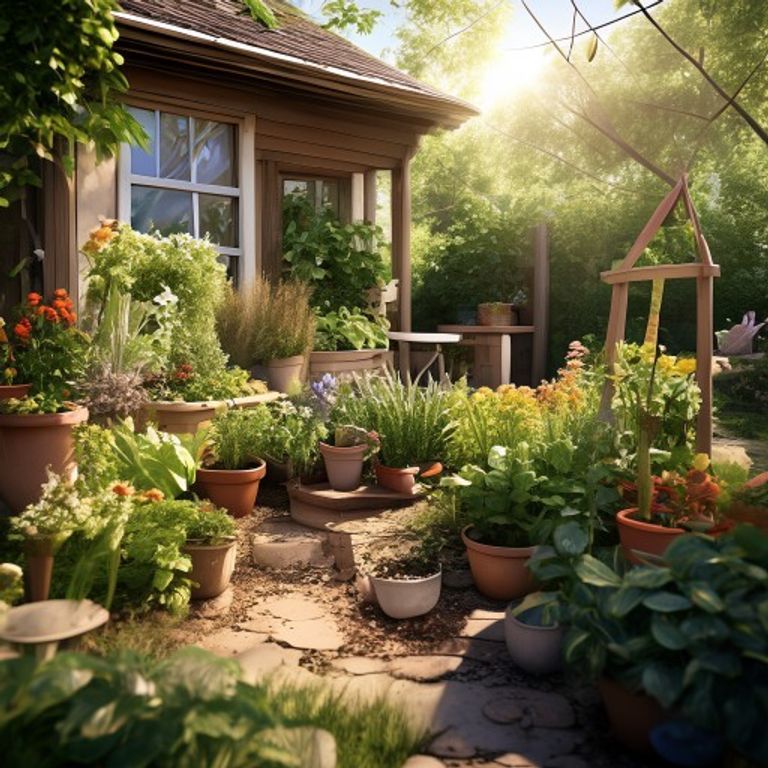
Useful as young plants outgrow modules and need stable root-zone conditions.
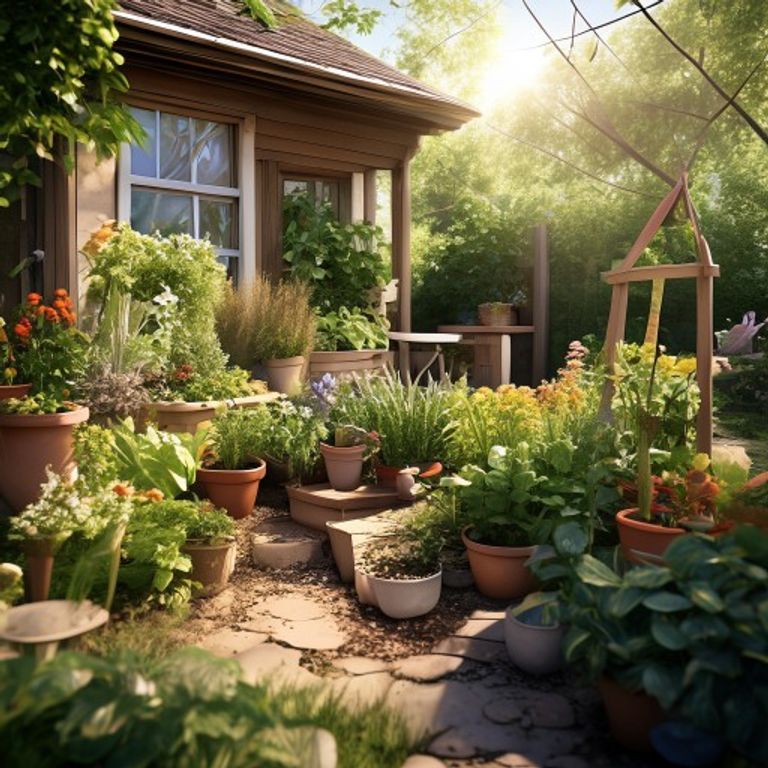
Manageable bag size helps preserve quality when resealed and stored correctly.
Jack's Magic typically feeds plants for around 4 to 5 weeks. This early nutrition window gives seedlings and recently potted plants a useful push, but it is not a full-season feeding plan. As growth accelerates, add a suitable liquid feed based on crop type.
Flowering baskets and heavy feeders often need earlier supplemental feeding than slow-growing foliage plants. The best rule is observation: if leaves pale, growth slows, or flowering drops, adjust feed schedule rather than increasing random watering.
When using the 50L bag across several sessions, write the opening date on the bag. This keeps storage discipline simple and helps you monitor texture changes over time. Seal tightly and keep in a cool, dry place out of direct sunlight.
Good results come from rhythm: rework compost, water deeply, feed on time, and avoid rushed handling.
One common issue is over-compacting compost into pots. Roots need air as much as moisture, so firm gently rather than pressing hard. Another issue is shallow watering; this encourages weak surface rooting and inconsistent plant stability.
Gardeners also sometimes blame compost for problems that are actually related to container drainage, overcrowded roots, or delayed feeding. A clear process solves most of these setbacks: check drainage holes, thin or repot crowded plants, and maintain feeding once the first nutrient phase ends.
The 50L bag performs best when used as part of a consistent planting method. Treat it as one strong component in a broader care routine, and it will usually reward you with healthier establishment and steadier growth.
With a 50L bag, many gardeners can run a full weekly cycle: sow, pot on, refresh selected containers, and keep a reserve portion for follow-up jobs. This rhythm is practical for households where gardening sits around work and family schedules. You can complete meaningful tasks without managing oversized open bags for too long.
A helpful method is to split each planting session into clear phases. First prepare containers and rework compost texture. Second complete all planting before starting water. Third water deeply and check drainage response. Finally note which pots may need earlier feed support. This structure keeps quality high and cuts mistakes caused by rushing.
For gardeners building confidence, the 50L format also reduces risk. You can test techniques in manageable volumes, evaluate outcomes, then scale up next session. Over one season, this creates stronger routines and better consistency.
If you value control, flexibility, and tidy storage between tasks, the 50L bag remains one of the most practical choices in the range.