
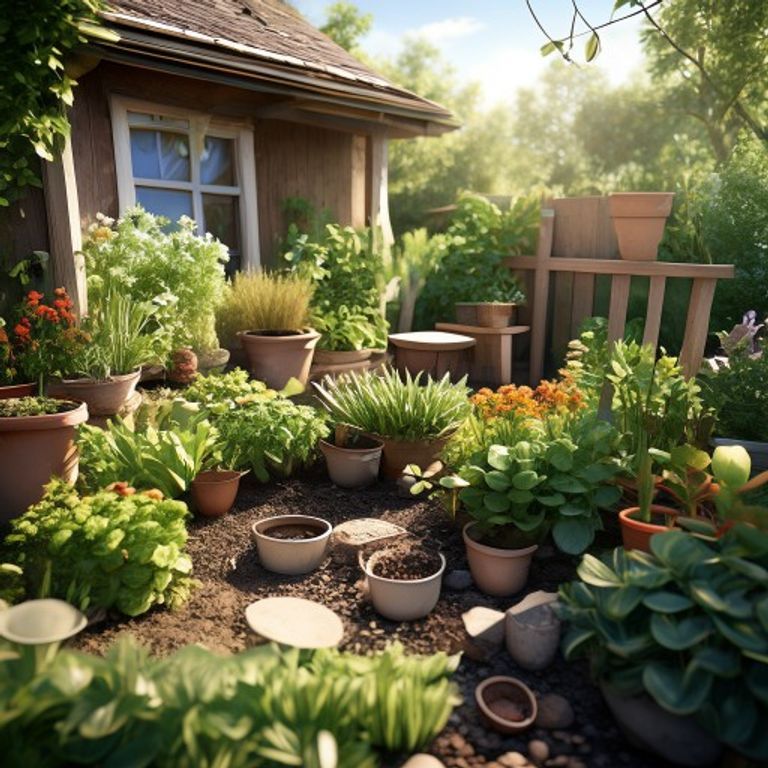
Seed Starting
Choose a stable, fine mix if you value even germination and straightforward watering control.
Short answer: Jack's Magic is generally known as a peat-based or peat-reduced compost, not a fully peat-free one. We believe gardeners should get this information clearly and early.
Many people now ask this first because environmental impact matters, and that is a healthy shift. At the same time, gardeners also need compost that performs in their own conditions, with their own watering habits and plant choices.
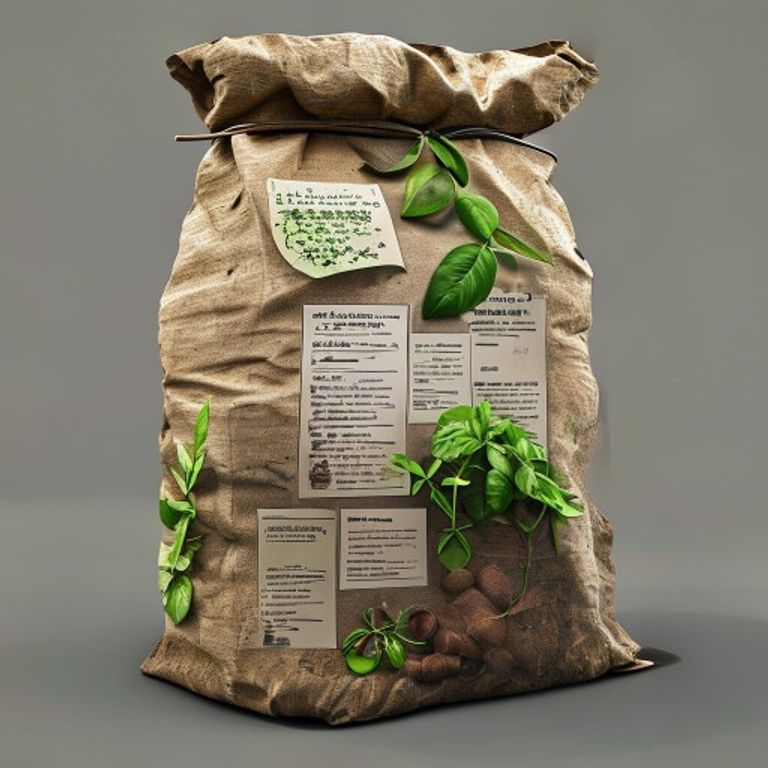
Compost decisions affect cost, confidence, plant health, and environmental footprint. If labels or marketing are vague, people end up buying by guesswork. Clear product positioning helps gardeners choose the right material for the right task.
When we say peat-based or peat-reduced, we are not hiding behind clever wording. We are giving a realistic picture of product identity. Some growers still prefer this kind of compost for consistency and familiar handling. Others are committed to peat-free systems. Both groups deserve facts, not spin.
For home gardeners, the best decision is often practical and values-led: decide what matters most to you, trial intelligently, and track outcomes over one season.
Some peat-free products have improved significantly and can perform very well when matched to crop type and watering style. However, many gardeners report a learning curve: different wetting behaviour, different nutrient response, and different drying patterns in containers.
Jack's Magic remains popular because gardeners already understand how it behaves in seed trays, hanging baskets, and mixed patio pots. It usually offers reliable contact around young roots, good moisture support, and practical structure for potting on. These are meaningful benefits for people who want predictable outcomes while managing busy schedules.
Being honest does not mean being defensive. It means helping gardeners make informed choices. If your priority is immediate familiarity and established handling, this compost may suit your routine. If your priority is fully peat-free gardening now, then a different product class may be the better match.
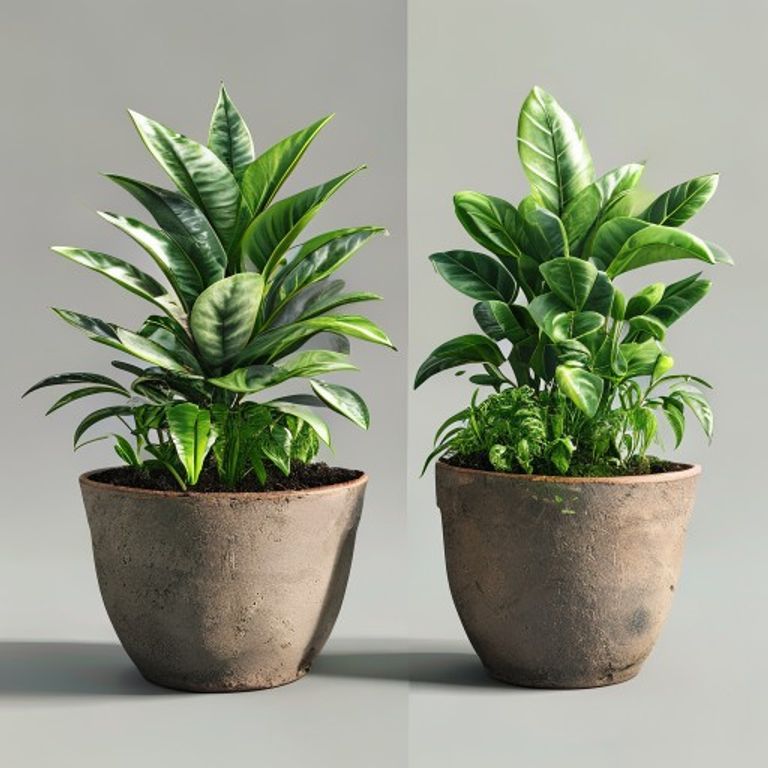
Choose a stable, fine mix if you value even germination and straightforward watering control.
Container growers often prioritise moisture behaviour. Trial one container row before full switch.
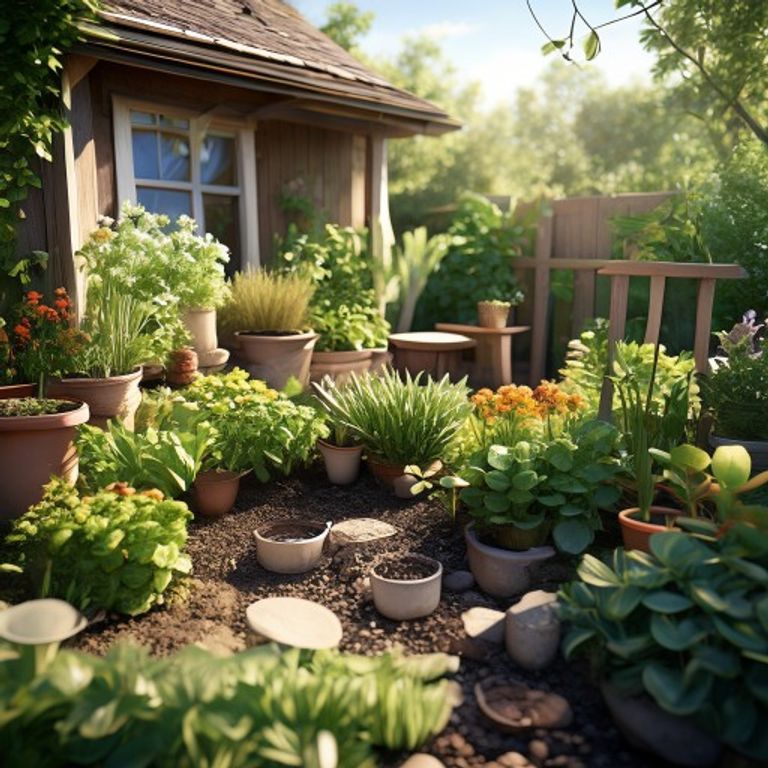
Initial nutrients help early growth, but follow-up feeding is needed whichever compost route you take.
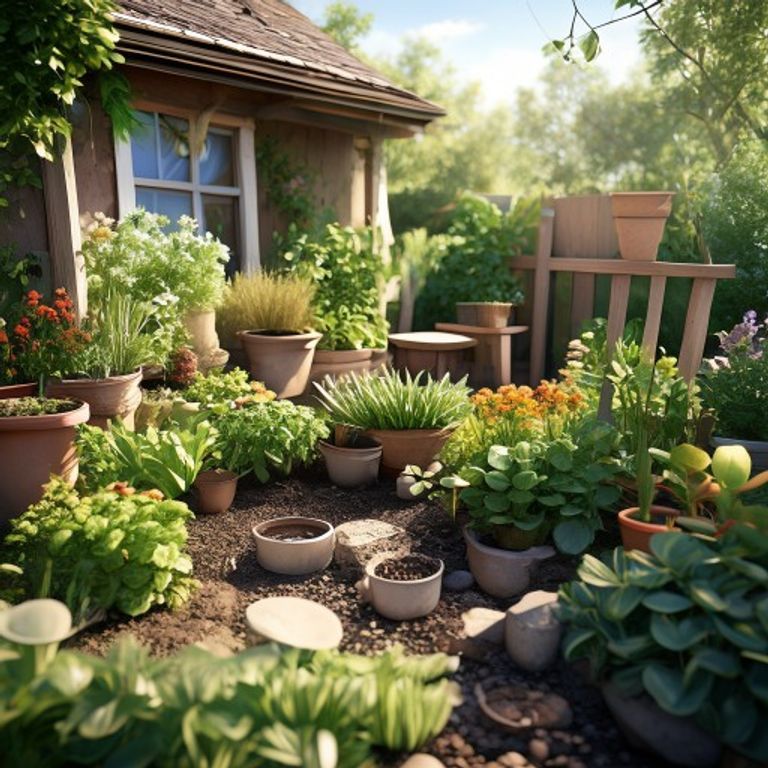
Cool and dry storage preserves consistency. Poor storage can distort performance comparisons.
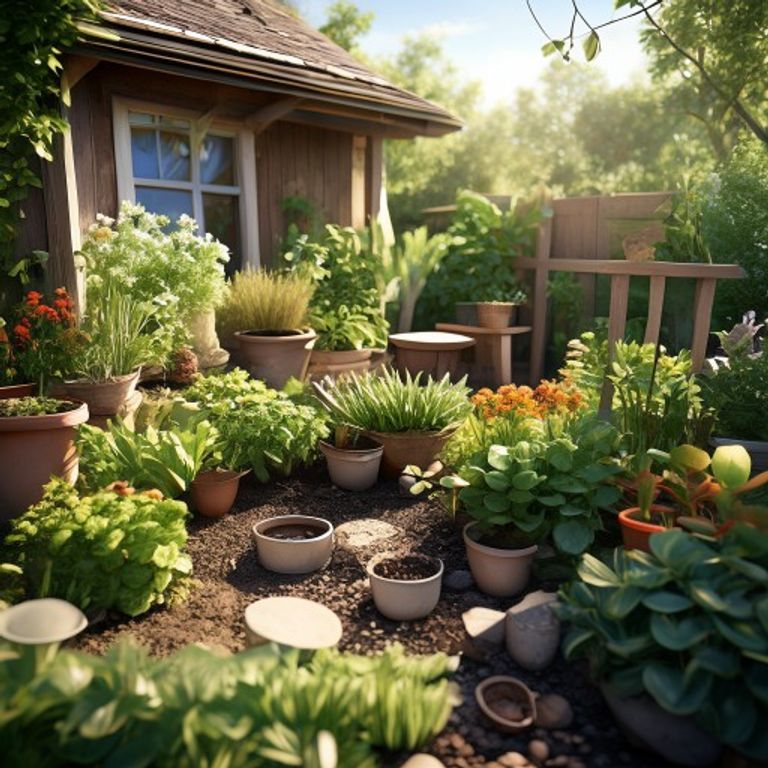
Record moisture frequency, root density, and plant colour to compare products fairly.
If your goal is a gradual move towards peat-free gardening, avoid changing every variable at once. Keep plant variety, pot size, and location similar during trials. Use one compost for one set of containers and the alternative for another. Monitor watering intervals and root development after 4, 8, and 12 weeks.
This approach protects your season while building useful evidence. It also reduces frustration, because many compost problems are actually feeding, watering, or weather timing issues. By controlling your test setup, you can see what truly changes when compost changes.
Where gardeners often find success is a mixed strategy: use known-performing compost for sensitive propagation tasks, then increase peat-free use in robust summer planters once confidence improves. Over time, this can align environmental goals with practical gardening reliability.
There is no single right answer for every garden. The right answer is clear information plus thoughtful testing.
One frequent question is whether switching compost type alone will change all outcomes. In practice, compost choice matters, but it sits inside a system that includes pot size, drainage, watering style, feed timing, and local weather exposure. If any one of those pieces is weak, results can disappoint even with a good mix.
Another question is whether peat-based or peat-reduced compost can be used responsibly while people plan a transition. Many gardeners take this route. They use familiar compost for sensitive propagation tasks where reliability is critical, then test peat-free alternatives in selected containers. This creates learning without risking the entire season.
Gardeners also ask how to compare fairly. The best method is simple: keep conditions similar, compare root development and moisture frequency over time, and avoid changing too many variables at once. Data from your own garden is more useful than generic online claims.
Finally, people ask whether honesty on peat position harms trust. The opposite is true. Clear language improves confidence because gardeners know exactly what they are buying and why they are choosing it.
If your goal is both honest information and dependable gardening outcomes, start with clear labels, test methodically, and choose the route that fits your values and your plants.
As regulations and products evolve, continue reviewing updated composition information and performance notes so your decisions stay informed each season.
Clarity, not marketing language, is what helps gardeners choose confidently and grow better.